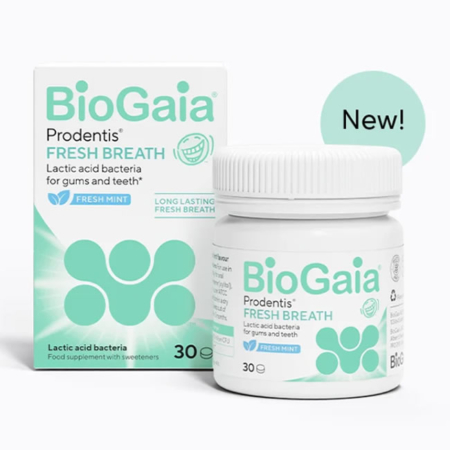
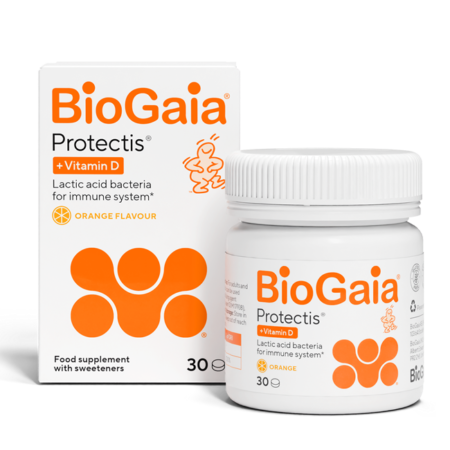
CFU in probiotics explained

CFU, or colony-forming units, is the standard way to measure the number of live bacteria in a probiotic. At BioGaia, we focus on scientifically researched strains, carefully produced to maintain quality and consistency rather than just high numbers.

CFU in Probiotics: Explained by a BioGaia Scientist

Why CFU Matters

What sets BioGaia apart is that the CFU amount is guaranteed until the expiry date, not just at manufacture. This ensures the product maintains its intended potency over time. It’s an important measure of quality, helping consumers know they’re getting a reliable, carefully produced probiotic every time.

All BioGaia® products are checked with SelectBiotics™, a new trusted standard for premium probiotics. Backed by over 30 years of research, our products are carefully tested and designed with advanced CFU protection, including LongevityGuard™, to maintain quality right through to the expiry date.

How Many CFU Should I Take?

At BioGaia, we focus on quality over quantity. The right amount of CFU (colony-forming units) isn’t about taking the highest number possible — it’s about taking a scientifically researched strain in a carefully measured dose. Our products are designed to deliver consistent CFU until the expiry date, ensuring that what’s on the label is what you actually get.

Because different probiotic strains are studied at different amounts, there isn’t a one-size-fits-all number of CFU to take. What matters most is choosing a reliable, well-researched product — like BioGaia — where both the strain and the dose have been carefully tested.

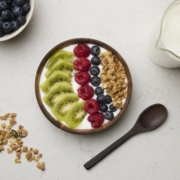
Fibre maxxed kefir breakfast bowl topping

Looking for a breakfast rich in prebiotics? If you’re fed up with the same old breakfast, it might be time to focus on prebiotics.

This fibre-maxxed kefir breakfast bowl topping is designed to help you “fibre max” your morning with ingredients naturally rich in prebiotics — the types of fibre that feed beneficial gut bacteria.

By combining kefir with fruit, nuts, seeds, wholegrains and chicory root (a natural source of inulin, one of the most studied prebiotics), this bowl helps support your microbiome from the very first bite.

Breakfast that fuels you and your gut bacteria. That’s the power of prebiotics.

What are prebiotics?

Prebiotics are specific types of fibre that nourish beneficial microorganisms in the gut. Unlike probiotics (which are live bacteria), prebiotics act as food for the good bacteria already living in your digestive system.

Common sources of prebiotic foods include:

  • Slightly green bananas (rich in resistant starch, a natural prebiotic)
  • Chicory root (a top source of inulin, a well-known prebiotic fibre)
  • Oats and oat bran (contain beta-glucans with prebiotic effects)
  • Psyllium husk
  • Fruits, nuts and seeds

Including more prebiotics in your breakfast can help support digestive balance, gut microbiome diversity, and overall wellbeing.

Why prebiotics matter for gut health

Adding more prebiotics to your diet helps nourish beneficial gut bacteria, which play a role in digestion, nutrient absorption and overall wellbeing.

These prebiotic kefir bowls combine resistant starch, inulin, beta-glucans and soluble fibres — different types of prebiotics that help create a supportive environment for your microbiome.

A simple shift toward more prebiotic foods at breakfast can help build a stronger foundation for digestive balance throughout the day.

Choose Your Prebiotic Fibre Boost

Need some inspiration on how to include more prebiotics at breakfast? Start with a base of plain kefir, then build your fibre-maxxed topping.

Berry Burst Prebiotics Bowl

Up to 18g of fibre 

This vibrant bowl combines resistant starch and inulin-rich granola to deliver a powerful mix of natural prebiotics.

INGREDIENTS

  • 200 ml plain kefir
  • ½ slightly green banana
  • 3 tbsp granola with chicory root
  • 1 tbsp chia seeds
  • 1 tbsp oats
  • A generous handful of mixed berries

INSTRUCTIONS

  • Pour kefir into a bowl.
  • Top with banana slices and granola.
  • Sprinkle over chia seeds and oats.
  • Add berries for extra plant diversity.
  • Serve immediately.

Tropical Boost Prebiotics Bowl

Around 13g of fibre

A sunshine-inspired bowl packed with natural prebiotics and gut-friendly fibre.

INGREDIENTS

  • 200 ml plain kefir
  • ½ mango (cubed)
  • 3 tbsp granola with chicory root
  • 1 tsp psyllium husk
  • 1 passion fruit
  • 1 tbsp desiccated coconut

INSTRUCTIONS

  • Pour kefir into your bowl.
  • Add mango and granola.
  • Sprinkle psyllium husk evenly.
  • Top with passion fruit and coconut. Enjoy.

Apple Crunch Prebiotics Bowl

Up to 17g of fibre

A cosy, fibre-rich bowl featuring everyday prebiotic foods.

INGREDIENTS

  • 200 ml plain kefir
  • 1 apple with skin (chopped)
  • A handful of blackberries
  • 1 tbsp pecans
  • 1 tbsp oat bran
  • 1 tbsp almond butter
  • A sprinkle of cinnamon

INSTRUCTIONS

  • Pour kefir into a bowl.
  • Add apple and blackberries.
  • Sprinkle pecans and oat bran on top.
  • Drizzle almond butter.
  • Finish with cinnamon and serve.

Watch: How to make fibre maxxed kefir breakfast bowl topping

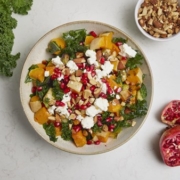
Prebiotic winter salad for immune support

Prebiotic winter salad This colourful prebiotic salad contains delicious flavours and colours to help support your immune system. Packed with anti-inflammatory salad ingredients which are also prebiotics – fuel for probiotics in your gut – this winter salad contains ingredients rich in Vitamin C and Vitamin K, antioxidants, fibre and minerals. Simple to throw together […]

Homemade baby ice lollies – a treat for little ones

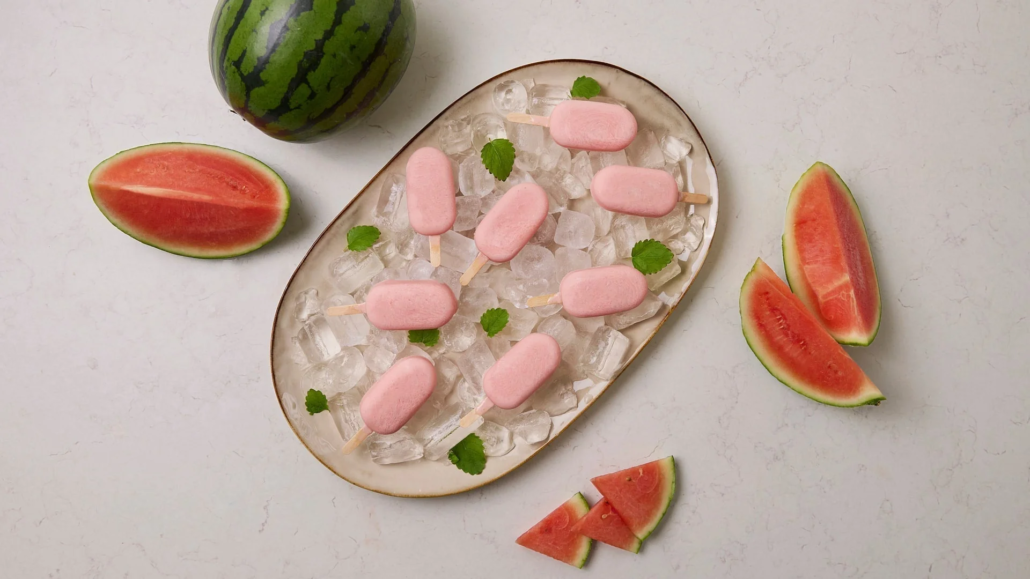
Want to make a healthy summer snack for your little one? These homemade baby ice lollies are made without sugar, using gut-loving yoghurt and fresh watermelon.

With only three simple ingredients, the mix takes minutes to make. Freeze overnight and serve as a refreshing snack your little one will love. 

Want a different flavour? Create endless variations by replacing the watermelon with strawberries, blackberries or any other seasonal produce.

Baby ice lollies – perfect for teething

Did you know? These homemade baby ice lollies are not just a gut-friendly alternative to traditional ice cream. Chilled or frozen foods can offer a soothing relief when your baby is teething, making these lollies a perfect natural remedy.

Recipe: homemade baby ice lollies

Ingredients

  • 100 ml of Greek yoghurt
  • 2 tbs of milk
  • 2 cups of watermelon (in cubes)

Instructions

  • Cut the watermelon into cubes and put in a blender.
  • Add milk and yoghurt and mix until smooth.
  • Put the sticks in the lolly mould and fill it. Leave in the freezer overnight.
  • Your healthy homemade baby ice lollies are ready!

Zesty immunity gummies

Meet Clare O’Brien 

Gut healthy gluten free and vegan Christmas cookies

Christmas snack ideas can present a challenge, especially if you want them to be good for your gut health. These simple and healthy Christmas cookies are packed with antioxidants, protein and fibre, plus they are dairy free and gluten free so will cater to a range of allergies or dietary preferences.

Easy to make and packed with deliciously aromatic spices, these vegan Christmas cookies will have everyone coming back for more. What’s more, gingerbread spices have anti-inflammatory properties which may help to soothe an unsettled gut.

INGREDIENTS: 


  • 1/2 cup coconut oil, melted
  • 1/2 cup coconut sugar
  • 2 tbsp almond milk, room temp
  • 2 tbsp gingerbread spices
  • 2 tsp baking powder
  • 1/2 tsp vanilla extract
  • 1 1/2 cup chickpea flour

INSTRUCTIONS:

  1. Preheat the oven to 175°C .
  2. Whisk coconut oil and coconut sugar together in a bowl. Add the almond milk, gingerbread spices, baking powder and vanilla extract. Stir the mixture until smooth.
  3. Add the chickpea flour. Stir until smooth again.
  4. Line a baking sheet with baking paper. Roll into 10 balls. Flatten the tops slightly with your hand.
  5. Bake in the oven for 8-10 min until golden. Remove from oven and allow to cool. Enjoy right away or seal in an airtight container so you have a healthy snack to hand if you have any unexpected visitors.

Watch – gluten free and vegan Christmas cookies

Taking care of your good bacteria

The gut-brain connection: Can gut health affect your mental health?

Emerging research increasingly highlights the profound connection between the gut and the brain, with studies revealing that the communication between these two systems flows both ways.

This means that by nurturing your gut health, you may potentially positively influence your mental well-being. This relationship, known as the gut-brain axis, has opened new avenues for understanding mental wellness and offers novel approaches to mental health care.


The Gut-Brain Axis: A two-way street

The gut-brain axis refers to the biochemical and physical communication network linking the gastrointestinal tract (GI tract) and the central nervous system (CNS). Initially, scientists believed that communication was largely one-directional—from the brain to the gut. This explained why emotional stress or mental health conditions such as depression or anxiety were often accompanied by gastrointestinal symptoms like bloating or constipation.

However, recent studies have overturned this view, demonstrating that signals from the gut can also influence the brain. This bi-directional communication plays a crucial role in maintaining emotional and cognitive health.


Gut microbiome and mental health? Is there a connection?

One of the most significant findings in gut-brain research is the role of the gut microbiome—the trillions of microorganisms living in the digestive tract. Growing evidence suggests that imbalances in the microbiome, known as dysbiosis, may signal the CNS and contribute to mood disorders such as anxiety and depression. A healthier gut, populated by beneficial bacteria, has been linked to better mood regulation, reduced stress, and even improved cognitive function.

According to Dr Jay Pasricha, director of the Johns Hopkins Centre for Neurogastroenterology, “Our two brains ‘talk’ to each other, so therapies that help one may help the other.” This insight is driving a new wave of therapies aimed at treating both gut and brain-related conditions together.

Four strategies to support mental wellbeing by improving your gut

1. Exercise regularly

Besides the well-known benefits of exercise, such as endorphin release and stress reduction, physical activity also enhances gut health. Research has shown that regular exercise increases microbial diversity and boosts the number of beneficial bacteria in the gut. Even small amounts of exercise, like daily walking, can have significant positive effects on your microbiome.


2. Manage stress

Chronic stress is often first felt in the gut, manifesting as issues like indigestion, constipation, and a variety of stomach issues. Prolonged stress can also exacerbate gastrointestinal disorders such as Irritable Bowel Syndrome (IBS).

Mindfulness practices like meditation, yoga, and deep breathing are proven ways to reduce stress and promote gut health.


3. Prioritise sleep

Poor sleep can lead to an imbalance in hormones, particularly cortisol, the stress hormone. Elevated cortisol levels are linked to leaky gut syndrome, a condition where the intestinal lining becomes permeable, allowing toxins to enter the bloodstream.

Conversely, a well-functioning gut may improve sleep quality, highlighting the reciprocal relationship between sleep and gut health.


4. Adopt a gut-healthy diet

Diet is one of the most powerful ways to maintain a balanced gut. A varied diet rich in fibre, fruits, and vegetables fosters microbial diversity and supports beneficial gut bacteria.

Prebiotic foods, which provide nourishment for probiotics, include fibres found in bananas, onions, garlic, and whole grains.

Reducing sugar, processed foods, and alcohol also significantly benefits gut health by lowering inflammation and preventing the overgrowth of harmful bacteria.

Sources:

Appleton J. The Gut-Brain Axis: Influence of Microbiota on Mood and Mental Health.


Integr Med (Encinitas). 2018 Aug;17(4):28-32. PMID: 31043907; PMCID: PMC6469458

Berding K, Vlckova K, Marx W, Schellekens H, Stanton C, Clarke G, Jacka F, Dinan TG, Cryan JF. Diet and the Microbiota-Gut-Brain Axis: Sowing the Seeds of Good Mental Health. Adv Nutr. 2021 Jul 30;12(4):1239-1285. doi: 10.1093/advances/nmaa181. PMID: 33693453; PMCID: PMC8321864.

Kim N, Yun M, Oh YJ, Choi HJ. Mind-altering with the gut: Modulation of the gut-brain axis with probiotics. J Microbiol. 2018 Mar;56(3):172-182. doi: 10.1007/s12275-018-8032-4. Epub 2018 Feb 28. PMID: 29492874.

World Mental Health Day (who.int)

World Mental Health Day 2024 | Mental Health Foundation 

Happy Mum, Happy Baby

New Year, New You:

BioGaia Bear

Content